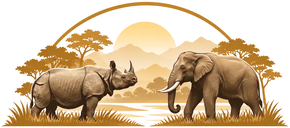

Elephant experiences in Chitwan today
For years, an elephant safari in Chitwan meant riding on an elephant’s back through the grassland. That’s changed. Here we explain where things stand today, the welfare questions travelers ask, and the ways we can arrange for you to see elephants.
- Elephant-back rides
- More restricted than before; availability confirmed at enquiry
- Breeding centre
- Khorsor, a short ride from Sauraha
- Wild elephants
- Occasional visitors to the park
- Good alternatives
- Breeding centre visit, jeep safari, jungle walk
What an elephant safari in Chitwan used to mean
Elephants have been part of working life in the park for a long time. They carry staff through tall grass and across rivers where vehicles can’t go, and they’re used on patrols. For decades, visitors rode them on safari too, sitting in a wooden platform on the elephant’s back.
Riding high above the elephant grass meant you could see over vegetation that hides animals from anyone on the ground, and rhinos often tolerated elephants closer than they would people on foot. So in many older guidebooks and travel memories, the elephant ride was the defining Chitwan activity.
Can you still ride elephants in Chitwan?
Elephant-back rides have become more restricted, and the rules and availability have changed over time. At the same time, many visitors now prefer to watch elephants rather than ride them. Because the situation can shift, we don’t list elephant rides as a bookable product.
If seeing elephants matters to you, let us know when you make an enquiry. We’ll confirm which options are running for your dates and explain them plainly, rather than promising something that may not be available.
Welfare questions travelers ask
More and more travelers ask about the welfare of captive elephants: how they’re trained and kept, how many hours they work, how much time they spend chained, and what carrying people over many years does to them. These are reasonable questions, and views differ among conservationists, handlers and visitors.
Captive elephants in Nepal also play a real role in park management, and their handlers have a long tradition of working with them. We present this neutrally, so you can learn about both sides and decide what you’re comfortable with. Ethical elephant tourism in Nepal is an evolving conversation, not a settled rulebook.
- Watching elephants without contact keeps your visit low-impact.
- Ask how long the animals work each day and where they rest.
- Avoid any activity that involves tricks, painting or performances.
- Follow the handlers’ instructions near elephants; they’re large and can be unpredictable.
Visiting the elephant breeding center in Chitwan
The government elephant breeding centre is at Khorsor, a short ride from Sauraha. It was set up to breed elephants for park work, and visitors can see adult elephants and, at times, young calves with their mothers.
A visit takes an hour or two, and it works well as a gentle add-on to a morning safari or as part of a cycling trip through buffer-zone villages. There’s a small entry fee; check current rates locally. It’s calm and low effort, which makes it a good fit for families.
- Travel to KhorsorGo by jeep, by bicycle or on foot with a guide from Sauraha, passing through farmland and buffer-zone villages.
- See the elephantsWatch the elephants at their stalls and in the surrounding area, keeping a safe distance.
- Learn the backgroundYour guide explains how captive elephants are used in park work and how the calves are raised.
- Return or continueHead back to Sauraha, or combine the trip with a village walk on the way.
Wild elephants in Chitwan
Wild Asian elephants occasionally move into Chitwan and its buffer zone. They aren’t resident in large numbers, and most visits don’t include a sighting. If they’re around, your guide will know, and safety comes first, because wild elephants can be dangerous. Our Chitwan wildlife guide covers the animals you’re more likely to meet.
Elephant activities in Chitwan and good alternatives
If your real goal is wildlife rather than the ride itself, other activities do the job well. A jeep safari covers the most ground and is the usual way to look for rhinos today. A guided jungle walk brings you close to tracks and forest life, and a canoe ride gives you a quiet view of the river.
Our overview of all safari types compares them side by side, and the Chitwan National Park guide explains how the park is managed.
Planning a visit if elephants matter to you
If elephants are one of the main reasons you’re coming to Chitwan, mention it early. That way we can check current options before you fix your dates, and build a plan around the breeding centre and the safaris that best suit your interests.
It’s worth keeping expectations realistic. You’ll very likely see captive elephants if you visit Khorsor, but wild elephants are occasional visitors and can’t be planned for. Most travelers find that a breeding centre visit, a jeep drive and a canoe ride together give a full picture of the park, without any riding at all.
Information reviewed 1 October 2026. Park rules, fees and road conditions change; we confirm current details when you book.
Tours that include this
Live prices and dates from our booking system.
A Day with an Elephant
Spend time with an elephant and its mahout: walk alongside on the forest path, help prepare its food and learn how the two work together. No riding.
Elephant Breeding Center Visit
A short guided visit to the government elephant breeding center near Sauraha, where the park's working elephants raise their calves.
Elephant Bath Time at the River
Watch elephants cool off in the river with their mahouts and, where it's currently permitted, help scrub them from the shallows.
Questions people ask
Is elephant safari still available in Chitwan?
Is riding an elephant in Nepal ethical?
What is there to see at the elephant breeding center in Chitwan?
Can you see wild elephants in Chitwan?
Keep planning
Safaris
Every Chitwan safari type compared, from jeep, canoe and walk to birding, tower night and culture.Jeep safari
Half-day and full-day jeep drives explained, with timelines, seat tips and advice on booking.Wildlife
The animals of Chitwan, where you’ll usually find each one and your realistic chances of a sighting.Tharu culture
Village walks, cycling, the Tharu Cultural Museum and evening dance programs, plus a few etiquette tips.Chitwan National Park
Where the park is, what lives there, how you can explore it and the rules every visitor follows.
Tell us your dates and we'll plan the rest
Send your travel dates, where you're coming from and what you'd like to see. You'll get a clear plan and a full price before you pay anything.